

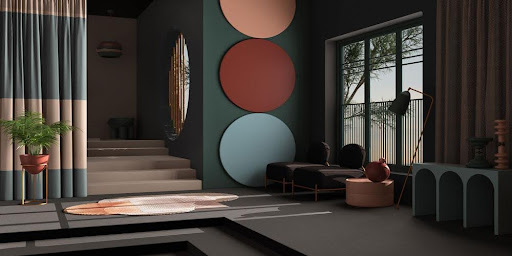
A home is more than just four walls and a roof, it’s a reflection of your identity, your lifestyle, and your dreams. Residential interior design is the powerful tool that brings your vision to life, transforming your space into a functional, comfortable, and aesthetically pleasing haven. It’s not simply about choosing pretty colours or stylish furniture; it’s about designing a home that works for you, supports your daily routine, and brings you joy.
Imagine stepping into a living room that feels like you, a space that tells your story through every detail, from the textures under your feet to the lighting above your head. Great residential design combines creativity and functionality to create this harmony, balancing beauty with everyday practicality. In this blog, we’ll explore how you can unlock the full potential of your home through residential interior design and what it takes to bring your dream space to life.
What Is Residential Interior Design?
Residential interior design focuses on personal living spaces like houses, apartments, and condominiums. Unlike commercial interior design, which is typically geared toward branding and customer engagement, residential design is intimate, tailored to the needs and preferences of the people who live there.
It goes beyond surface decoration. Designers plan layouts, choose materials, and craft an overall aesthetic that enhances how a space is used. Whether you live in a cozy studio or a sprawling historic home, the goal of residential design is to create a space that feels good to be in, one that is stylish, functional, and uniquely yours.
Why Hire a Residential Interior Designer?
Working with a residential interior designer is not just for luxury homes or big renovation projects. An experienced designer can help you reimagine your space, whether it’s a small bedroom makeover or a full-scale remodel. They listen to your ideas, understand your goals, and translate them into cohesive, liveable designs that blend form and function seamlessly.
Designers bring expert knowledge in space planning, lighting, material selection, and furniture placement. They know how to work within your budget while maximizing impact. Perhaps most importantly, they help avoid costly mistakes by managing timelines, coordinating with contractors, and making sure every piece fits together perfectly.
Whether you need help updating your modern apartment or restoring character to a period home, a designer helps ensure that the end result reflects you, your taste, your lifestyle, and your needs.
The Foundations of Modern Interior Design
Modern residential design is about more than just aesthetics, it’s about creating comfort, efficiency, and emotional well-being. The process begins with understanding how a space is used, then planning layouts, materials, and furnishings around that function.
Design studios like Sibylle Clerey Interiors specialize in this process. They take time to study how you live, what you love, and how each room should serve you. From there, they craft a custom design that’s as functional as it is beautiful.
Layout and flow are key here. Every piece of furniture and decor has a place and a purpose. Open-concept layouts, smart storage solutions, and flexible multi-use areas help modern homes feel more spacious and organized.
How Interior Design Affects Daily Living
A well-designed home doesn’t just look good, it feels good. Thoughtful interior design can significantly impact your mood, energy, and productivity. It can create peace in busy family spaces, focus on home offices, and relaxation in bedrooms.
Design influences how we interact with our homes every day. Small, intentional choices, like cozy rugs that add warmth, lighting that lifts your spirits, or organized storage that eliminates clutter, can change how you experience your space.
In short, interior design enhances your quality of life. It helps your home support your routines, reduce stress, and encourage well-being in every corner.
The Key Elements of Residential Design
To build a well-balanced and functional home, several key elements need to come together. Here are the pillars of great residential interior design:
- Layout and Space Planning
Efficient layout is the backbone of any good design. Clear floor plans and well-thought-out furniture placement ensure smooth flow and comfortable use of space. Whether your home is large or small, layout decisions define how rooms connect, how light flows, and how you move through your day.
- Colour Schemes
Colour sets the tone of a room. Warm tones can make a space feel inviting and cozy, while cool shades offer a clean, modern look. Light colours can visually enlarge small rooms, while darker hues can create intimacy and depth when used thoughtfully.
Working with a designer can help you explore palettes through mood boards and swatches to find the perfect tones for your home.
- Textures and Materials
Texture brings depth and interest to interiors. From plush fabrics and woven rugs to smooth metals and natural woods, mixing materials creates a sense of richness and balance.
Consider how the following combinations affect a room’s ambiance:
- Linen curtains + wooden floors for a rustic charm
- Velvet cushions + glossy cabinets for elegant contrast
- Stone countertops + matte finishes for a modern twist
Personalising Your Interior Space
What truly makes a house feel like a home is the presence of you. Personalisation brings warmth and meaning to your interior design. It reflects your memories, your travels, and your unique point of view.
Incorporating Your Story Through Artifacts
Family heirlooms, travel souvenirs, cherished artwork, these pieces tell your story and create emotional connections within your home. A great designer will help you display these items in a way that enhances your space rather than clutters it.
From gallery walls filled with personal photos to curated shelves of collected treasures, these elements make your home distinctly yours.
Custom Furniture and Fixtures
Mass-produced furniture might be functional, but custom pieces elevate your design and make your space more adaptable to your needs. Whether it’s a built-in bookshelf, a one-of-a-kind dining table, or tailored joinery, custom furniture ensures that every inch of your homework for you.
Lighting, too, plays a key role. Statement fixtures, pendant lights, and under-cabinet LEDs can set the mood and improve functionality. Even small details like cabinet handles or faucet finishes can bring personality to your home.
Blending Style and Function
The best residential interior design doesn’t ask you to sacrifice comfort for style or beauty for practicality. Instead, it blends both seamlessly. A well-designed home should feel as good as it looks, inviting, efficient, and reflective of the people who live there.
Here are a few tips for achieving that balance:
- Use multi-functional furniture like storage ottomans or extendable dining tables.
- Keep walkways clear and furniture proportional to the room size.
- Choose materials that are durable as well as attractive.
- Include both statement pieces and neutral foundations for timeless appeal.
Ready to Transform Your Space?
Your home should be your sanctuary, a space where you feel safe, inspired, and at peace. Through thoughtful residential interior design, you can bring this vision to life. It’s not just about redecorating; it’s about reimagining how your space can serve and support you every single day.
Whether you’re updating a single room or starting fresh in a new home, investing in an interior designer is investing in your quality of life. With the right guidance, your dream home isn’t far away.
Interested in getting started? Reach out today for a free design consultation and take the first step toward transforming your space. Your dream home awaits, let’s make it real.

